Why Hire Beacon top Paving Contractor for Your Paving Project
Why Hire Beacon top Paving Contractor for Your Paving Project
Blog Article
Paving Solutions: Upgrade Your Property With Trusted Paving Services
Professional surfacing services offer considerable advantages for real estate enhancement. They not only enhance aesthetics but also raise functionality. Choosing the right materials, such as bitumen or interlocking pavers, can guarantee durability and style. The installation process is key for achieving long-term results. Yet, many homeowners overlook essential maintenance practices that can extend the life of their investment. Understanding these elements is important for making informed decisions about outdoor spaces. What comes next may amaze you.
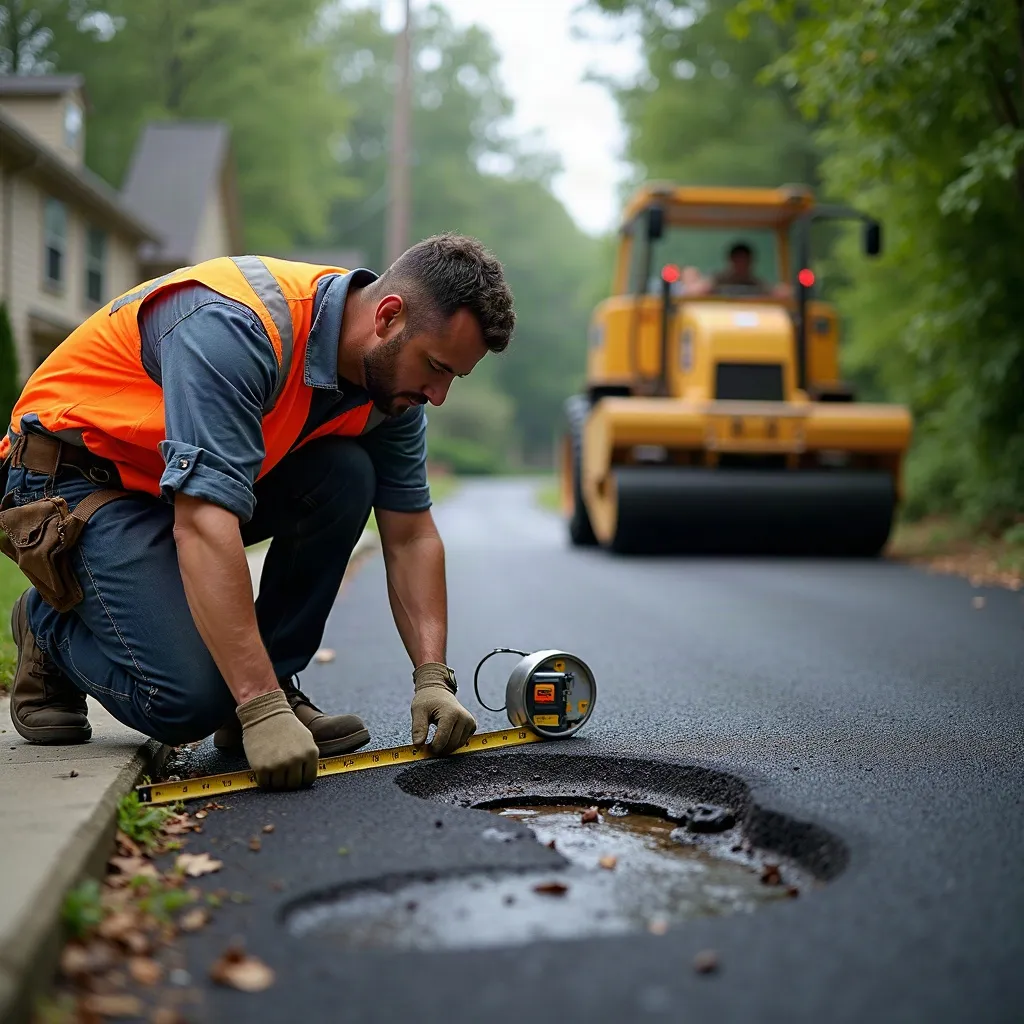
Expert Paving Solutions Boost Your Property Value
Professional pavement services enhance outdoor spaces, boosting both practicality and visual appeal. By leveraging skilled techniques and modern equipment, these solutions assure the careful groundwork and installation of various pavement types. This careful attention results in sturdy, resilient outcomes that resist wear and tear while preserving visual appeal.
Furthermore, professional paving enhances property value, establishing appealing walkways, driveways, and outdoor spaces that attract potential buyers. A well-paved area boosts safety by minimizing hazards like rough terrain and thick dirt, promoting a more pleasant outdoor setting.
Additionally, seasoned experts can offer bespoke solutions adapted for individual preferences, guaranteeing that each project matches the property's unique character.
Determine the Premium Laying Materials for Your Work
Which approaches help property owners decide on the best paving materials for their work? Getting the material correct is necessary for aesthetics and how it performs.
First, homeowners should think about the particular purpose of the paved area. For driveways, durable materials like asphalt or concrete are often preferred due to their durability and long-term performance. In contrast, for patios or walkways, options such as pavers or bricks can provide visual appeal and versatility.
Next, weather conditions plays a substantial part. Regions with abundant precipitation may gain advantage from porous substances that allow for better drainage, reducing the risk of water overflow.
Also, maintenance requirements should be reviewed; some materials require more care than others.
Ultimately, budget limitations will shape the selection. While premium materials may demand a bigger initial outlay, they frequently generate long-term savings through resilience and reduced repair expenses.
Consequently, careful consideration of these elements will direct property owners to make informed choices.
Asphalt Paving Gains
Asphalt paving represents a leading option for homeowners seeking long-lasting and affordable solutions for their driveways and walkways. One of its main advantages is its durability; asphalt can withstand heavy traffic and harsh weather conditions, making it perfect for residential use.
Furthermore, asphalt is budget-friendly alongside find the facts other paving materials, assisting homeowners to realize a outstanding appearance without emptying their pockets. The installation process is also rapid, frequently concluded within a day, curbing disruption to daily life.
Moreover, asphalt is hassle-free to care for, needing only periodic maintenance coatings to extend its durability. These merits make asphalt paving a smart and economical investment for enhancing property visual appeal and functionality.
Interlocking Paver Perks
For property owners considering paving options, interlocking pavers provide distinct advantages that improve both aesthetics and functionality.
These multi-purpose pavers come in various shapes, colors, and textures, facilitating artistic design choices that can suit any property style. Additionally, interlocking pavers provide superior durability, resisting cracking and shifting, which is particularly helpful in regions with varying temperatures.
Additionally, their distinctive design improves efficient water drainage, curtailing the threat of waterlogging and soil deterioration. This porosity also promotes environmental sustainability by enabling rainwater to restore groundwater supplies.
In the end, the uncomplicated setup and upkeep makes interlocking pavers a practical choice, making it possible for homeowners to enjoy their beautiful surface without substantial maintenance demands.
Initial Site Assessment
Which components impact the first site inspection for paving installation? Several important considerations matter during this critical stage. First, the land’s topography is analyzed to identify any slopes or drainage issues that might impact the paving process. Next, the existing soil conditions are reviewed, since different soil types can affect stability and durability. Additionally, site accessibility is considered to plan how equipment and materials will be delivered. Local regulations and zoning laws are checked to ensure compliance. Lastly, existing structures and vegetation are assessed to prepare for any necessary removal or protection. This detailed evaluation establishes the basis for a successful paving project, guaranteeing that all possible challenges are addressed from the beginning.
Setup Processes Presented
With a full site assessment finished, the paving installation process can commence.
The opening phase entails site preparation, where any existing materials are taken away and the ground is evened. Subsequently, a base layer is set up, typically made up of gravel or broken stone, which furnishes stability and drainage.
Subsequently, the selected paving material—such as asphalt or concrete—is installed. This phase requires precise installation to guarantee a level surface and proper alignment.
Once the paving is in place, it is compacted to enhance durability. Finally, curing takes place, allowing the material to harden properly.
During the entire undertaking, direct communication with the property owner is critical to handle any issues and confirm approval with the final outcome.
Pavement Upkeep Recommendations for Extended Lifespan
While asphalt areas are built for strength, regular maintenance remains vital to guarantee their longevity. Routine inspections should be conducted to identify surface damage, holes, or deterioration. Swift repairs can stop further damage and increase the useful life of the pavement.
Additionally, maintaining the surface clean is crucial; dirt, foliage, and grime can hold moisture, causing deterioration. Regular sweeping and occasional power washing help maintain a clean appearance and functionality.
Applying sealant every few years can preserve the surface from climate exposure and UV radiation, while also improving its aesthetic appeal.
Ultimately, resolving drainage problems is significant. Quality drainage systems eliminate water collection, which can weaken the paving material over time.
How to Find a Credible Paving Contractor
Securing a reputable paving contractor represents an key step for property owners intending to establish or enhance their paving surfaces. To initiate, individuals should gather recommendations from friends, family, or local businesses that have recently carried out paving projects. Online reviews and testimonials can also present insights into a contractor's reputation.
Once potential professionals are discovered, it is important to validate their documentation, including licenses and insurance. A professional contractor should offer a detailed written estimate that details the job scope, materials, and timeline.
Moreover, asking for client references can aid in evaluating the contractor's dependability and quality of work. It's equally important to inquire about warranties on workmanship and materials.
Ultimately, facilitating candid communication and clarity during beginning meetings can nurture a trustworthy partnership, producing a successful paving project that meets expectations.
Frequently Asked Questions
What Timeframe Should You Anticipate for a Typical Paving Project to Finish?
A typical paving project generally takes one to three days to finish, based on factors such as the project's size, intricacy, climate, and prep work needed. Proper planning can help streamline the process effectively.
What Permits Do You Need for Paving Installation?
As a rule, asphalt paving requires permits like local building permits, zoning authorization, and environmental studies. Regulations vary by location, so reaching out to area officials confirms observance with required legal conditions for the project.
Can Asphalt Laying Work in Winter or Rainy Seasons?
Paving can be challenging during winter or rainy seasons due to temperature and moisture concerns. Cold weather can hinder proper curing, while excessive rain may cause pavement problems, leading to potential long-term damage. Thoughtful preparation is essential.
What Options Can I Apply if My Asphalt Fractures?
Should pavement crack, the initial action is to assess the damage. Following this, clean the region completely, seal the fissures with appropriate sealant, and think about expert services to avoid additional damage and maintain protection.
How do I establish if my concrete professional has obtained the necessary credentials?
To establish whether a paving contractor is appropriately licensed, you need to confirm credentials with local licensing boards, require a copy of their license, and check for insurance coverage, ensuring compliance with industry regulations and safety standards.
Report this page